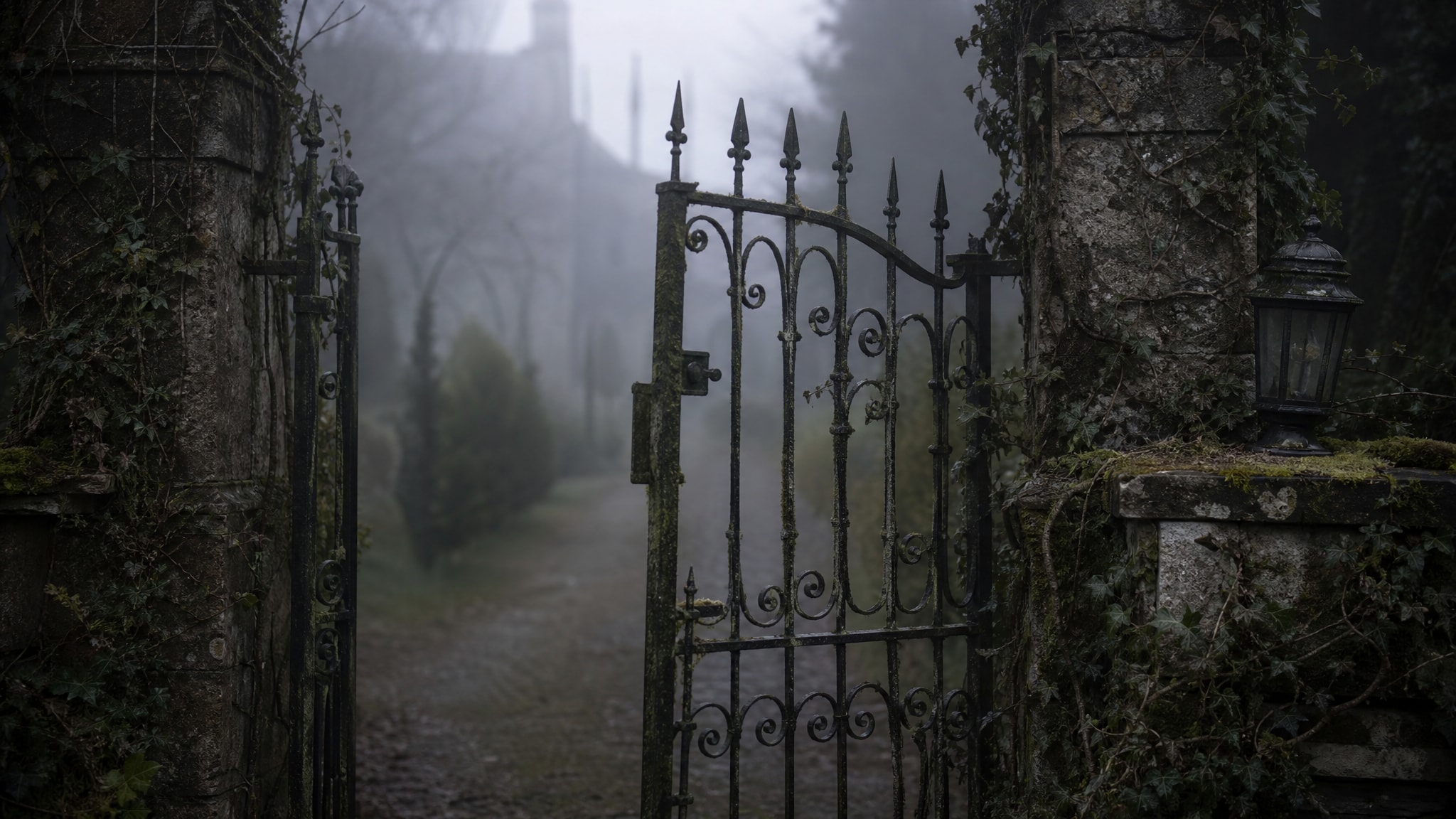
The silence between novels can feel as heavy as the fog that clings to the grounds of Witham Grange. For those who have walked those shadowed paths and now find themselves lingering at the gate, the search for E.L. Ravenheart short stories becomes a quiet pursuit of atmosphere rather than plot. The main narrative arc demands patience. But the spaces between full-length works offer their own melancholic pleasures.
These shorter pieces are not interludes. They are fragments of a larger haunting that refuses to stay contained within a single binding. These brief excursions into darkness serve a different purpose than the sprawling dread of the main series. They offer concentrated moments of gothic horror short fiction, the kind that lingers like the scent of damp earth and old stone long after the final page turns.
Navigating E.L. Ravenheart’s Short Fiction Beyond the Novels
The Circle of Witham Grange anchors her bibliography, but dedicated readers often seek shorter atmospheric works to sustain the mood between novel releases. The distinction matters: the architecture of a gothic ghost story differs from that of a novel, and it demands a compression of dread that leaves no room for the slow accumulation of domestic detail found in longer work. These narratives function as whispers, not shouts. They unsettle through suggestion and sensory texture rather than the elaborate plotting of the main series.
You may find that the most potent entries in any E.L. Ravenheart anthology live in the margins of the main text, in corners of the estate the central characters never fully explore. These stories do not replicate the experience of reading the novels. They distill it, stripping away the scaffolding of mystery to expose the raw emotional and supernatural undercurrents that make the setting itself a character. A prequel story set in this universe works differently than you might expect from other genres. It focuses less on pinning down chronological facts and more on deepening the sense of inevitable tragedy that runs through every brick and hedgerow.
This approach to short gothic ghost stories to read online means completionists chasing exhaustive lore may come away wanting. These tales put mood before metadata. The fiction does not serve as an encyclopedia for the world-building, and it doesn’t hand you neat resolutions to the ambiguities that give the longer works their power. Instead, it offers a complementary experience for readers willing to sit with uncertainty, where the value is in the immersion itself rather than in collecting new plot points or backstory.
Exclusive E.L. Ravenheart Free Story Releases and Newsletter Content
Subscribers get narrative dispatches and bonus scenes that expand the lore of Witham Grange, no separate purchase required. This direct channel is the primary home for ephemeral work that might otherwise vanish, so the most intimate and experimental pieces still reach the readers attuned to their frequency. When you join this inner circle, you’re not just signing up for marketing updates. You’re entering a curated space where the line between author and reader thins, and stories too fragile or personal for commercial publication can still reach you.
An E.L. Ravenheart free story delivered this way often carries a different weight than work built for broad distribution. It’s written with the understanding that the recipient has already agreed to be haunted. These exclusive releases often take the form of epistolary fragments, diary entries, or vignettes, the kind that would disrupt the pacing of a traditional novel but thrive in the isolated intimacy of a newsletter. They reward the patient reader who knows that in gothic horror, the most terrifying revelations often arrive not with a bang but with the quiet rustle of paper in an empty room.
This method of distribution also responds to the seasons and to the mood of the readership in a way static publishing can’t match. A tale shared in late October carries a different resonance than one offered in the depths of February, and the newsletter format respects that by delivering stories when they’re most needed. You receive these narratives not as products to consume but as artifacts to experience, each one a small, deliberate act of communion between the creator and those who have chosen to dwell alongside her in the dark.
Frequently Asked Questions
Are E.L. Ravenheart’s short stories necessary to understand The Circle of Witham Grange?
No, the short stories are not required reading to follow the main novel series. They function as atmospheric companions that deepen the mood and explore peripheral elements of the setting rather than advancing the central plot. Readers can enjoy the novels completely without them, though fans of the world will find additional texture and resonance in these supplementary works.
How often are new E.L. Ravenheart short stories released?
New short fiction appears irregularly through the newsletter rather than on a fixed publishing schedule. Releases tend to align with seasonal moods and the natural rhythm of the creative process rather than commercial calendars. Subscribers receive these works directly when they are ready, making the timing unpredictable but intentionally attuned to the gothic atmosphere.
Can I read E.L. Ravenheart short stories without subscribing to the newsletter?
Most exclusive short fiction and bonus content is currently available only through the newsletter subscription. Some stories may eventually appear in future anthologies or collections, but the primary venue for new short-form work remains the direct subscriber channel. This ensures that the most intimate pieces reach readers who have actively chosen to engage with the material.
Do the short stories contain spoilers for the novels?
The short stories generally avoid major plot spoilers, focusing instead on atmosphere, backstory, and peripheral characters. However, they assume familiarity with the world and tone of The Circle of Witham Grange, so reading them before the novels might diminish certain reveals. They are best approached as companions to be read alongside or after the main series rather than as introductions.
Leave a Reply