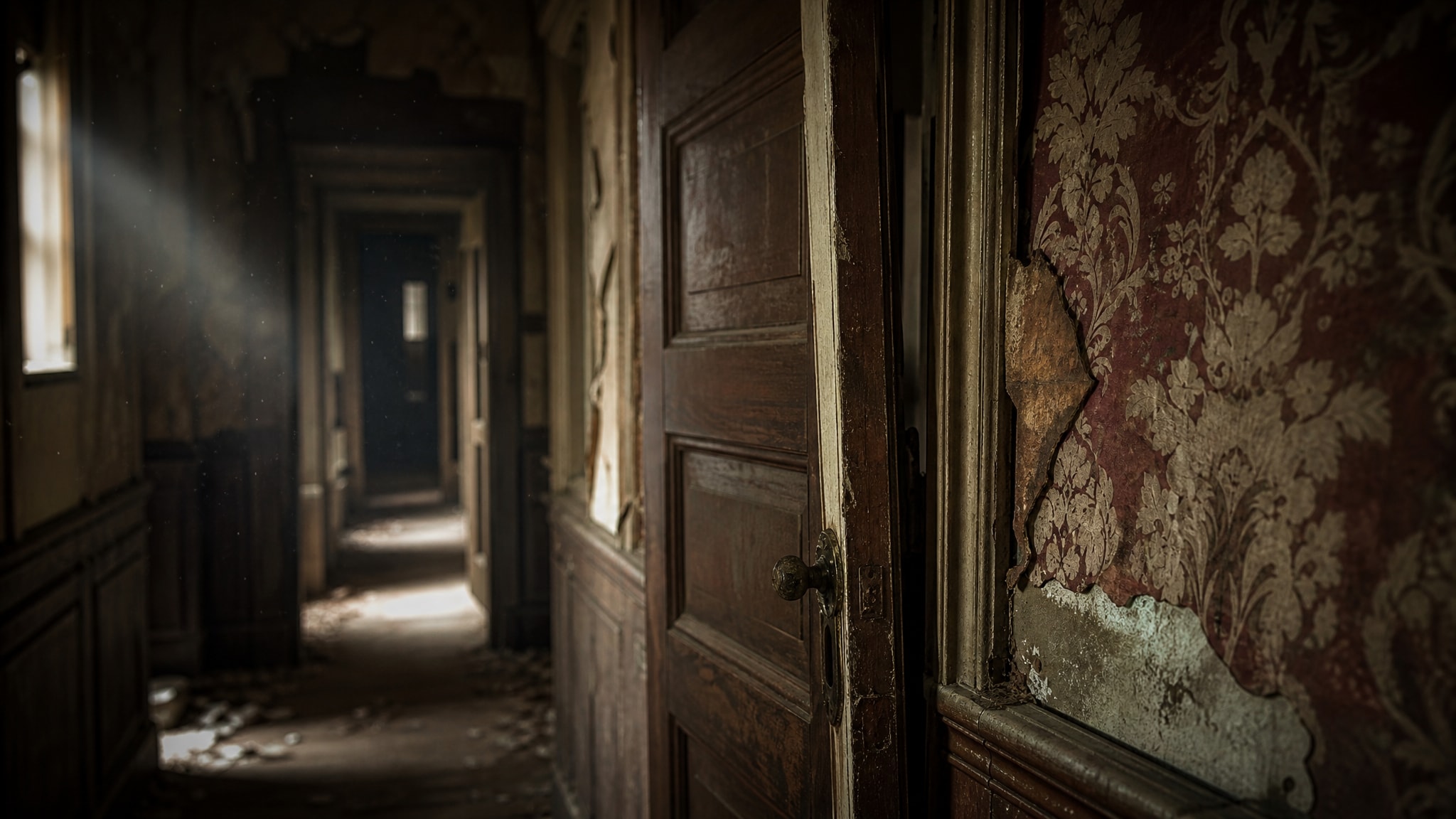
Not every ghost story requires a crumbling manor, but the ones that linger in your memory usually do. When you consider what to look for in a haunted estate novel, you are searching for something far more specific than simple scares or supernatural spectacle. You want a narrative where the architecture itself holds the weight of history, where the dread is woven into the plaster and the silence speaks louder than any scream.
This subgenre demands patience, and a willingness to be unsettled by atmosphere rather than adrenaline. The best haunted manor fiction isn’t built from plot twists or gore, but from the slow, suffocating realization that the house knows more than the living characters ever will. For readers who cherish literary suspense, identifying these elements turns browsing into a deliberate act of curation.
The Estate as a Living Character in Gothic Fiction
A true crumbling estate never serves as mere background scenery for human drama. In literary gothic horror, the house often works as an externalized psyche, where architectural decay mirrors the protagonist’s internal fragmentation. That distinction separates enduring literature from disposable genre fiction: the environment shapes the narrative instead of just receiving it.
Notice how the physical space resists the inhabitants instead of accommodating them. Doors stick at crucial moments. Drafts extinguish candles when secrets are whispered, and corridors seem to lengthen when escape feels necessary. These aren’t random spooky occurrences but deliberate expressions of the estate’s memory.
The architecture should reflect the psychological state of those trapped within its walls. A fractured family lineage shows up in broken staircases and sealed-off wings, while repressed grief seeps through damp patches on Victorian wallpaper. When the setting works with this kind of intentionality, the boundary between character and location dissolves.
Evaluating Atmosphere Over Sudden Fright
Atmosphere in haunted estate novels builds through sensory immersion rather than sudden shocks. As craft principles around immersive gothic fiction put it, true atmospheric storytelling relies on sensory accumulation, the smell of damp plaster, the sound of settling timber, to build dread that lingers after the page is turned. That texture of melancholy is what separates literary horror from thrillers that depend on startling the reader at predictable intervals.
Shock wears off instantly, but unease settles deep in the bones and refuses to leave. You feel the weight of centuries pressing against the windows before any specter appears, and that pressure makes the eventual revelation earned rather than manufactured. The silence between events carries more menace than the events themselves.
This approach puts mood over momentum, which is exactly what makes a good haunted house book resonate with adult readers. Plot mechanics serve the atmosphere here, not the reverse, so every descriptive passage deepens the sense of inevitable doom rather than simply advancing a mystery.
Isolation as a Narrative Engine in Crumbling Estates
Physical remoteness and social estrangement work together to strip away modern safety nets. Effective isolation in gothic fiction feels inevitable and suffocating. It forces characters to confront what they have buried, with no possibility of rescue or distraction. The haunting can’t be escaped by simply leaving the property, because the psychological distance from the outside world has already been severed.
In writing The Circle of Witham Grange, I wanted the estate’s isolation to feel like a pressure that forces characters to confront what they have buried. The manor sits beyond the reach of contemporary help, but more importantly, the characters sit beyond the reach of their own former selves. Technology fails, roads become impassable, and social bonds dissolve under the weight of inherited obligation.
You recognize authentic isolation when it serves the thematic core rather than functioning as a convenient plot device. The characters stay trapped because they’re bound to the estate by blood, guilt, or unresolved trauma, not merely because a storm has knocked out the phone lines. This narrative engine turns the setting from a prison into a crucible.
Decay and the Architecture of Memory
Structural deterioration in haunted manor fiction always works as metaphor. Rot and ruin need to feel earned and symbolic, reflecting the internal erosion of the lineage tied to the property rather than serving as generic set dressing. When a roof collapses or a floor gives way, it signals a failure of memory, or a breach in the family’s carefully maintained facade of respectability.
Descriptions of decay should carry the same emotional weight as dialogue or internal monologue. Peeling paint reveals layers of past renovations that tried to cover up earlier failures, just as characters try to renovate their own identities over inherited shame. The physical decline of the estate charts the psychological decline of its inhabitants with devastating precision.
This correspondence between architecture and ancestry is what elevates the subgenre above standard horror. You read about mold spreading across a ceiling and understand, at the same time, that a secret is consuming the family from within. The house does not merely house the characters; it embodies their collective deterioration.
Character-Driven Hauntings Versus Generic Ghost Stories
Classic haunted estate narratives succeed when the ghost is less a monster and more a manifestation of inherited guilt or repressed family history. Superficial paranormal activity entertains briefly, but hauntings rooted deeply in character psychology endure, because they force protagonists to face truths they have spent lifetimes avoiding. The specter becomes inseparable from the survivor’s own unresolved grief.
You can tell a character-driven haunting apart by asking whether the supernatural element would still matter if the specific protagonist were replaced. If any generic victim could feel the same terror, the haunting lacks the personal stakes that define literary gothic fiction. The ghost targets this particular person because of who they are and what they carry, not because they happened to move into the wrong house.
This specificity turns fear into tragedy. The haunting resolves only when the character reaches some form of acknowledgment or acceptance, however painful that may be. External monsters can be defeated, but manifestations of personal failure must be integrated or endured.
Recognizing Authentic Voice in Modern Gothic Horror
Prose that honors the literary tradition avoids both archaic pastiche and contemporary flatness. An authentic gothic voice carries its own haunting quality, where the language itself evokes the same unease as the setting, through rhythm, cadence, and precise sensory detail. You hear the echo of classic authors without feeling lectured by imitation.
Generic imitations rely on strings of gloomy adjectives with no structure underneath. Authentic voices earn their atmosphere through sentence choices that mirror the psychological state being described, using length and punctuation to control the reader’s breathing. The prose doesn’t describe dread; it enacts it.
Look for writing that trusts the reader’s intelligence enough to leave spaces unfilled. Restraint matters as much as description, because what remains unsaid often generates more tension than elaborate exposition.
Finding Your Next Atmospheric Read
These criteria offer a framework for evaluating whether a novel will satisfy your hunger for genuine gothic immersion. Rather than relying on blurbs that promise chills without specifying their source, examine sample pages for evidence of setting as character, accumulated dread, and psychological specificity. Trust your instinct for prose that feels inhabited rather than performed.
The Circle of Witham Grange was written around these exact qualities of decay, isolation, and character-driven dread. Readers seeking fiction that treats the haunted estate as a living archive of familial trauma will find those elements woven throughout the narrative. Join the newsletter for further dispatches on literary horror and updates on forthcoming work.
Frequently Asked Questions
How is a haunted estate novel different from regular horror?
Haunted estate novels prioritize atmosphere and psychological depth over jump scares or gore. The manor itself functions as an active character whose decay mirrors the protagonist’s internal state, rather than serving as a passive backdrop for supernatural events. This creates dread through accumulated sensory detail and symbolic architecture instead of sudden fright.
Why does atmosphere matter more than plot twists in gothic fiction?
Atmospheric dread lingers because it engages the reader’s senses and emotions continuously, whereas plot twists provide only momentary surprise. In crumbling manor fiction, the mood itself carries the thematic weight, making the eventual revelations feel earned through sustained immersion. Without this foundation, twists feel mechanical rather than meaningful.
What makes isolation feel threatening rather than just convenient?
Authentic gothic isolation combines physical remoteness with psychological estrangement, trapping characters through blood ties or unresolved trauma rather than mere circumstance. The confinement feels inevitable because the characters are bound to the estate by forces deeper than weather or geography. This dual entrapment ensures the haunting cannot be escaped by simply leaving.
How do I tell if a haunting is character-driven?
A character-driven haunting would lose its meaning if the protagonist were replaced, because the specter manifests that specific person’s inherited guilt or repressed grief. Generic hauntings target anyone who enters the space, while literary ones target individuals due to their personal history and psychological wounds. The supernatural element resolves only through the character’s confrontation with their own truth.
What prose style indicates authentic gothic horror?
Authentic gothic prose uses rhythm, syntax, and sensory precision to enact dread rather than merely describing it with gloomy adjectives. The voice absorbs literary tradition without mimicking it, trusting restraint and implication over elaborate exposition. You recognize it when the language itself feels haunted, controlling your reading pace to mirror the psychological tension being conveyed.
Leave a Reply