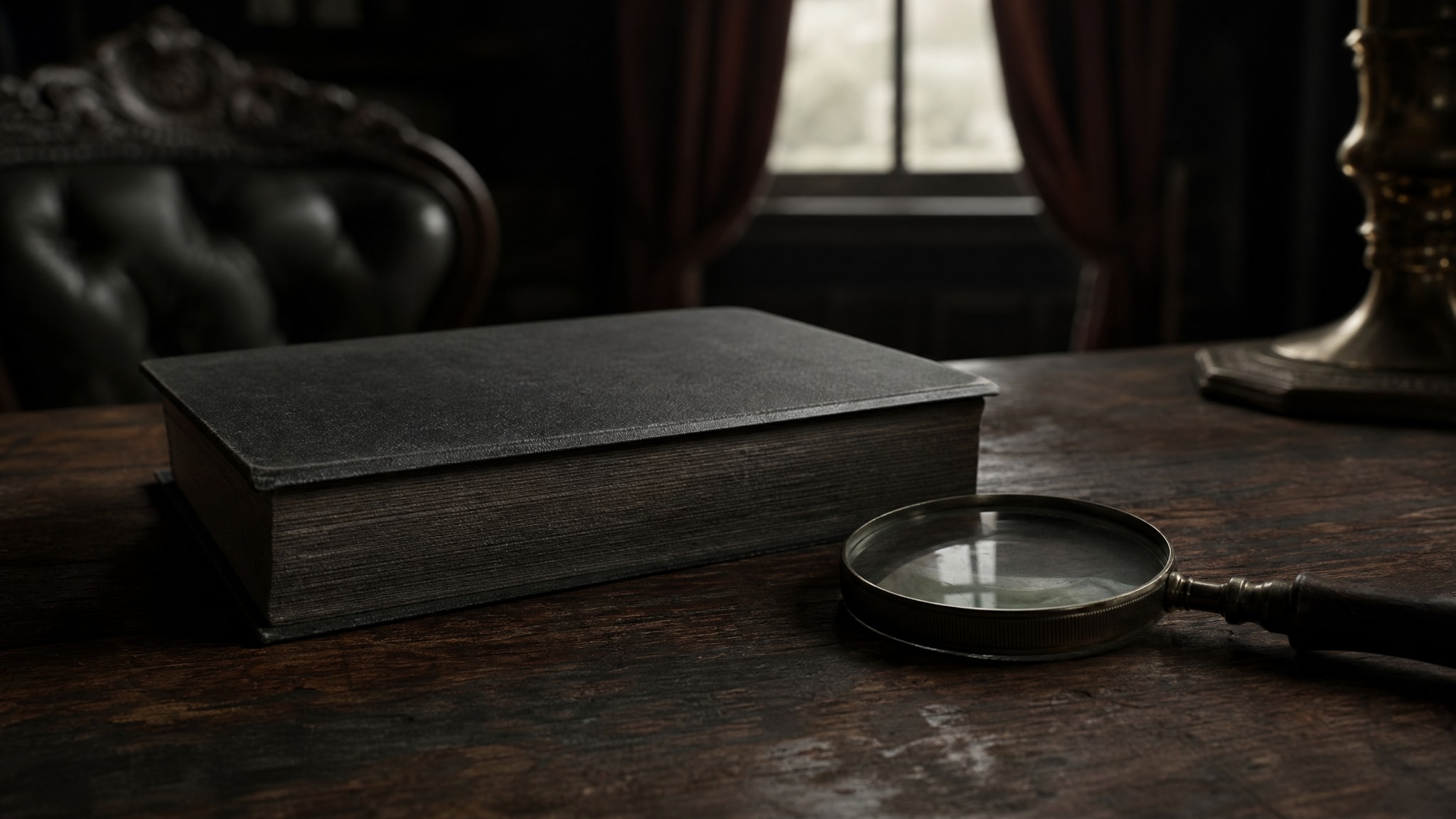
The physical book is not merely a vessel for text but an extension of the haunting itself, a tangible artifact that carries the weight of Witham Grange before you even read the first line. For those who seek to possess this story in its most authentic form, understanding the specific material qualities of The Circle of Witham Grange first edition hardcover becomes as important as understanding the narrative’s own spectral lineage. This volume was crafted to be held in dim light, its presence on a shelf a quiet testament to the enduring power of atmospheric dread over fleeting shock.
Identifying the True First Edition Hardcover
Distinguishing a true first printing gothic horror novel from later impressions takes patience, and a willingness to look beyond the copyright date alone. Publishers often retain original dates through multiple runs without signaling the difference on the jacket. You must examine the copyright page for the specific number line descending to one. That sequence remains the definitive bibliographic marker for the initial release of this collectible gothic horror hardcover. Later printings may carry identical ISBNs and publication years, yet they lack this precise sequence that confirms the book emerged during the very first manufacturing run.
The binding cloth itself offers a secondary confirmation that no facsimile or book club edition can replicate. The initial release features a distinct charcoal linen with a subtle, raised grain that catches the light differently than the smoother, synthetic blends used in later commercial bindings. The cloth was chosen to evoke the cold stone walls described within the narrative. I explain the reasoning behind that choice, and the other design decisions behind the binding and jacket art, in my discussion of the author’s design intentions. Without this specific cloth grain and the correct number line, you hold a reading copy rather than the artifact itself.
Dust Jacket Variants and Cover Art Evolution
A Witham Grange dust jacket from the first state has a color saturation and typographic treatment that later printings quietly diminished, altering the visual tone in ways that matter deeply to collectors of atmospheric fiction. The original artwork renders the manor in muted indigos and silvered greys, with the title lettering hand-set in a Victorian serif that appears slightly recessed into the paper stock rather than printed flat upon it. Later states shifted toward higher contrast blues and standardized digital fonts, losing the handmade quality that mirrors the novel’s rejection of modern horror conventions. It’s the kind of contrast that shows up clearly when you set Witham Grange’s presentation next to a classic haunted house novel like Hill House: the same instinct to let the object itself carry dread, not just the text inside it.
These variations affect collectibility because the jacket is inseparable from the intended reading experience of this first printing gothic horror novel. A first edition hardcover missing its original jacket loses significant value, but a later-state jacket on a first-printing block creates a bibliographic ghost that confuses both market pricing and aesthetic integrity. Collectors should verify that the jacket’s flap price matches the initial release point and that the rear panel lists only titles available at launch. Later jackets advertise newer catalog additions that betray their true age.
Paper Quality and Binding Craftsmanship
Open the Witham Grange hardcover edition and your fingers meet paper chosen for how it receives ink and reflects candlelight, not merely for cost efficiency or bulk. The first printing uses a heavier, uncoated cream stock that lets the type sit with a softness absent from the brighter, thinner pages of mass-market alternatives or later reprints optimized for high-speed presses. This paper weight contributes to the book’s substantial feel in hand, a physical gravity that reinforces the narrative’s slow accumulation of dread.
Spine construction in the true first edition uses Smyth-sewn signatures rather than adhesive binding. The book opens flat without cracking, and it will endure decades of careful handling without shedding leaves. You will notice the thread is dark grey, matching the binding cloth, while later editions frequently switched to white glue that yellows and fails with time. This craftsmanship marks the difference between a disposable commodity and a lasting object. It does not, however, make the book suitable for readers who prefer lightweight portability or pristine white pages. This edition demands engagement with its deliberate materiality.
Sourcing Authentic Collectible Gothic Horror Hardcovers
Finding a verified first printing requires navigating channels where sellers understand bibliographic points rather than simply listing keywords, because misidentified copies flood mainstream marketplaces and auction sites alike. Reputable antiquarian booksellers specializing in horror and dark fantasy typically provide detailed collations and condition reports that address the specific markers outlined above, whereas generalist sellers often lump all hardcovers under the same listing. If you want to choose your next gothic horror read with the same attention to physical qualities that heighten atmospheric dread, the same discipline applies: look past the blurb and into the object. Direct purchasing information for verified print editions remains available through official purchasing channels, which distinguish first states from later impressions with a transparency secondary markets rarely match.
Avoid listings that use stock photos or fail to show the copyright page number line, as these omissions usually signal either ignorance or deception. Book club editions bear no price on the jacket flap and often display a small debossed square on the lower right corner of the back board, details that unscrupulous sellers hope you will overlook in your eagerness. Ex-library copies present another hazard, bearing stamps, pockets, or spine labels that permanently alter the artifact regardless of textual completeness. If you seek signed versions alongside the first edition, consult the dedicated signed copy acquisition guide rather than trusting undifferentiated marketplace listings.
Condition Standards for Atmospheric Fiction Volumes
Grading moody literary horror volumes demands criteria attuned to how wear interacts with intended atmosphere. The standards applied to bright thrillers or academic texts do not translate directly to works built on melancholy. Minor foxing on the fore-edge may diminish monetary value on traditional scales, yet it can also deepen the sense of age and decay that the narrative itself cultivates. That creates a real tension between preservation and aesthetic resonance.
You must decide whether you collect for investment purity or for embodied experience, because these goals sometimes diverge when evaluating atmospheric fiction.
Shelf wear along the spine ends and corners tells a story of previous ownership that some collectors cherish and others reject outright. A sharp, unread copy commands premium prices but lacks the patina of having been held by hands trembling in recognition of familiar dread. Sun fading on the spine presents a similarly complex judgment: it damages the jacket’s original color fidelity while potentially deepening the haunted quality that drew you to the volume in the first place. Honest assessment means acknowledging both dimensions rather than pretending condition exists independent of the work’s emotional register.
Investment Value of First Printing Gothic Horror Novels
Demand for early states of character-driven ghost tales stems from factors that resist simple quantification, rooted instead in the niche community’s recognition of certain works as foundational to contemporary gothic literature. The Circle of Witham Grange occupies a particular position because its physical production values align so precisely with its thematic concerns, making the first edition hardcover a coherent artistic statement rather than merely the earliest container for the text. Collectors who understand this alignment recognize that future appreciation depends less on speculative flipping than on sustained critical engagement with the work’s place in the tradition.
Market signals suggest growing interest in physically distinctive horror editions as readers tire of digital ephemerality and seek objects that anchor their libraries in sensory reality. Yet this trend favors volumes whose craftsmanship genuinely serves the narrative, not those manufactured solely as collectibles without organic connection to the story’s soul. The first printing gothic horror novel retains value because it represents an irreplicable moment of authorial and editorial intention, before commercial pressures diluted subsequent productions. Those weighing purely financial returns should understand that this market rewards patient stewardship over rapid turnover, and that liquidity remains limited compared to broader collecting categories.
Preserving the Physical Artifact of Witham Grange
Maintaining the haunting integrity of this hardcover requires environmental vigilance against the very forces of decay that the narrative contemplates, because neglect turns poetic deterioration into mere damage. Store the volume upright but not tightly packed, allowing air circulation that prevents moisture accumulation and the mold growth that thrives in stagnant darkness. Avoid direct sunlight entirely: UV exposure accelerates the fading already discussed and dries the binding cloth until it grows brittle and prone to splitting.
Handle the book with clean, dry hands, and resist the temptation to read in the bath or kitchen, where steam and splashes threaten irreversible staining. A protective archival sleeve shields the dust jacket from edge wear during removal and replacement, though plasticizers in cheap sleeves can themselves migrate into the paper over decades. Acid-free, inert materials are non-negotiable for long-term care. Should foxing appear despite precautions, accept it as part of the artifact’s biography rather than reaching for chemical treatments that often cause greater harm than the spots themselves. For readers weighing physical preservation against daily access, the ebook format comparison offers a path to frequent reading without exposing the first edition to cumulative wear.
Leave a Reply