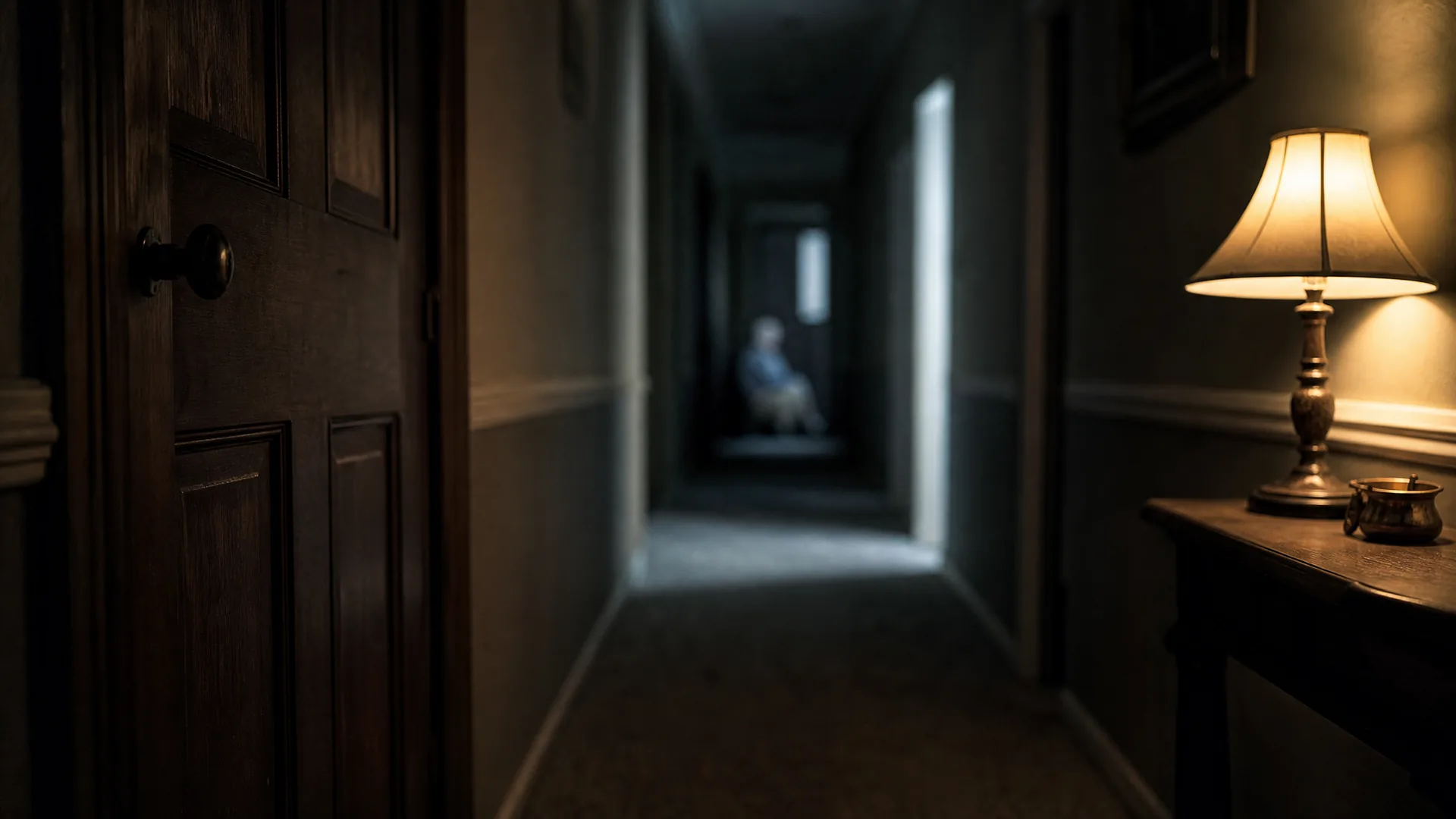
There is a particular kind of quiet that precedes the worst kind of fear. Not a scream, not a slammed door, but a house settling at the wrong hour, a hallway that feels longer than it did yesterday. Slow burn horror novels live in that quiet. They ask you to sit still while something patient closes the distance between you and it.
This list leans into that patience. It moves from the genre’s familiar gothic touchstones toward the atmospheric indie fiction that rarely makes the bestseller tables but does the work of dread better than most.
What Makes a Horror Novel a True Slow Burn
A slow-burn horror novel refuses to rush. It trusts silence, repetition, and small wrongness to do what a jump scare cannot: make you afraid of a place, a person, a feeling, long after you’ve closed the book.
That patience is the whole craft. Nothing about it is accidental.
Atmospheric Dread vs. Jump-Scare Horror
Jump-scare horror works on the nervous system. It startles, then releases you. Atmospheric dread books work on memory instead. They plant an image early, a sound in a corridor, a name spoken too carefully. Then they let it fester.
You don’t flinch reading these books. You get uneasy. That unease builds page by page until the ordinary starts to feel suspect: a closed door, a cold room, a guest who stays too long.
Why Pacing Is the Point, Not a Flaw
Readers new to quiet horror fiction sometimes mistake its pace for a stall. It isn’t. A slow burn spends its early chapters teaching you how to read the house, the family, the town. By the midpoint, a single small detail can undo you.
Rushing that process would gut the effect. The wait is the mechanism, not the obstacle.
Classic Gothic Dread Novels Every Reader Should Know
Before looking at what’s overlooked, it helps to know what set the standard. Gothic dread novels built their reputation on restraint long before “slow burn” became a marketing term.
Classic touchstones like The Haunting of Hill House and The Little Stranger built entire novels around a single unsettling house rather than jump scares. That structural choice, one location, one accumulating wrongness, still shapes how atmospheric horror gets written today.
Haunted Houses as Slow-Burn Engines
The haunted house works so well as a slow-burn device because it never leaves. Characters can’t outrun a threat that lives in the walls they sleep behind. Every return to the same staircase, the same locked room, adds pressure rather than repeating it.
Readers drawn to this tradition often look for authors who write in Shirley Jackson’s haunted tradition, since her fingerprints are visible across most modern haunted-house fiction.
Unreliable Narrators and Creeping Doubt
Many of the genre’s essential reads pair the haunted setting with a narrator you can’t quite trust. Is the house wrong, or is the mind describing it? That doubt is its own slow burn, working alongside the setting rather than beneath it.
It’s a device that rewards close, patient reading. That’s exactly the pace this genre is built for.
The Overlooked Indie Gems: Why Witham Grange Belongs on This List
Most slow-burn horror roundups stop at the same handful of well-distributed publishers. That’s understandable. It’s also a gap, because some of the most disciplined atmospheric dread being written today comes from independent gothic fiction that never gets the same shelf space.
The Circle of Witham Grange is a clear example of what that gap leaves out.
Inside The Circle of Witham Grange’s Slow Dread
The Circle of Witham Grange leans into the same tradition as its more famous predecessors. It lets dread accumulate through setting and character rather than shock. That’s precisely why it belongs in conversations about quiet horror fiction alongside more widely reviewed titles.
The novel gives its house room to breathe before it gives you a reason to be afraid of it. E.L. Ravenheart’s own note on writing the book describes wanting readers to feel a house “breathing” long before anything overtly supernatural happens. That’s a patient, deliberate choice, and it shows.
For readers who want the full texture of that world, there’s more to explore inside the haunted world of Witham Grange.
How Independent Gothic Fiction Fills a Gap Big Publishers Miss
Large publishing houses tend to favor horror with a clear hook: a twist, a franchise, a marketable premise. Slow burn horror doesn’t always fit that model. Its strength is cumulative, not immediate.
Independent authors have more room to let a story breathe at its own pace. That’s part of why niche gothic fiction like Witham Grange rewards the readers who go looking for it instead of waiting for it to appear on a bestseller table.
If you want to know the person behind that patience, E.L. Ravenheart, the author behind Witham Grange, writes with an evident commitment to mood over mechanics.
Literary Suspense Novels That Read Like Gothic Fiction
Some of the best slow-burn horror doesn’t advertise itself as horror at all. It sits closer to literary suspense novels, shelved among family dramas and character studies that happen to be quietly, thoroughly unsettling.
These books ask for patience with people, not just places.
Character-Driven Ghost Stories Over Plot Twists
A character-driven ghost story doesn’t need a twist to work. It needs a person whose grief, guilt, or denial makes the haunting feel earned. The dread comes from watching someone unravel, not from what jumps out of a closet.
That focus on interior life over incident is what separates literary suspense from mainstream horror bestsellers, which often lean on pace and revelation instead. Readers looking for more of this style will find plenty among character-driven ghost story books.
Books for Readers Who Want Dread, Not Gore
Not every horror reader wants blood on the page. Many want the specific ache of dread: the sense that something is wrong before anyone can name it.
Slow-burn horror and quiet horror fiction serve that reader directly. They trade shock for atmosphere, and gore for the accumulation of small, wrong details.
New and Upcoming Slow-Burn Horror Worth Watching in 2026 and 2027
Gothic dread isn’t a closed genre. New voices keep finding fresh houses, fresh families, and fresh ways to make silence unbearable.
Readers who track this space closely have plenty to look forward to across 2026 and 2027, as more independent and small-press gothic fiction continues to surface outside the major imprints.
Fresh Gothic Horror Releases to Add to Your List
Discovery is part of the pleasure here. A patient reader who keeps an eye on independent gothic fiction will often find next year’s favorite months before it gets wider attention. For a current snapshot of what’s arriving, it’s worth browsing new gothic horror novels releasing this year, which tracks titles built on the same slow-burn foundations covered here.
Communities built around gothic horror consistently describe wanting books that “sit with you” for days after finishing. That preference favors exactly this kind of pacing over rapid plot twists. It’s a good filter to apply to anything new you pick up.
How to Choose Your Next Atmospheric Dread Read
With so many slow burn horror novels drawing on the same gothic bones, picking the right one comes down to matching mood, not just genre.
Matching Mood to the Right Slow-Burn Novel
If you want the genre’s foundation, start with the haunted-house classics that built the template. If you want something closer to literary fiction, reach for a character-driven ghost story instead.
And if you want the kind of atmospheric dread that rarely gets its due outside dedicated gothic circles, The Circle of Witham Grange is a strong place to begin. It asks for the same patience the best slow-burn horror always has, and it repays that patience the same way: slowly, and then all at once.
Leave a Reply