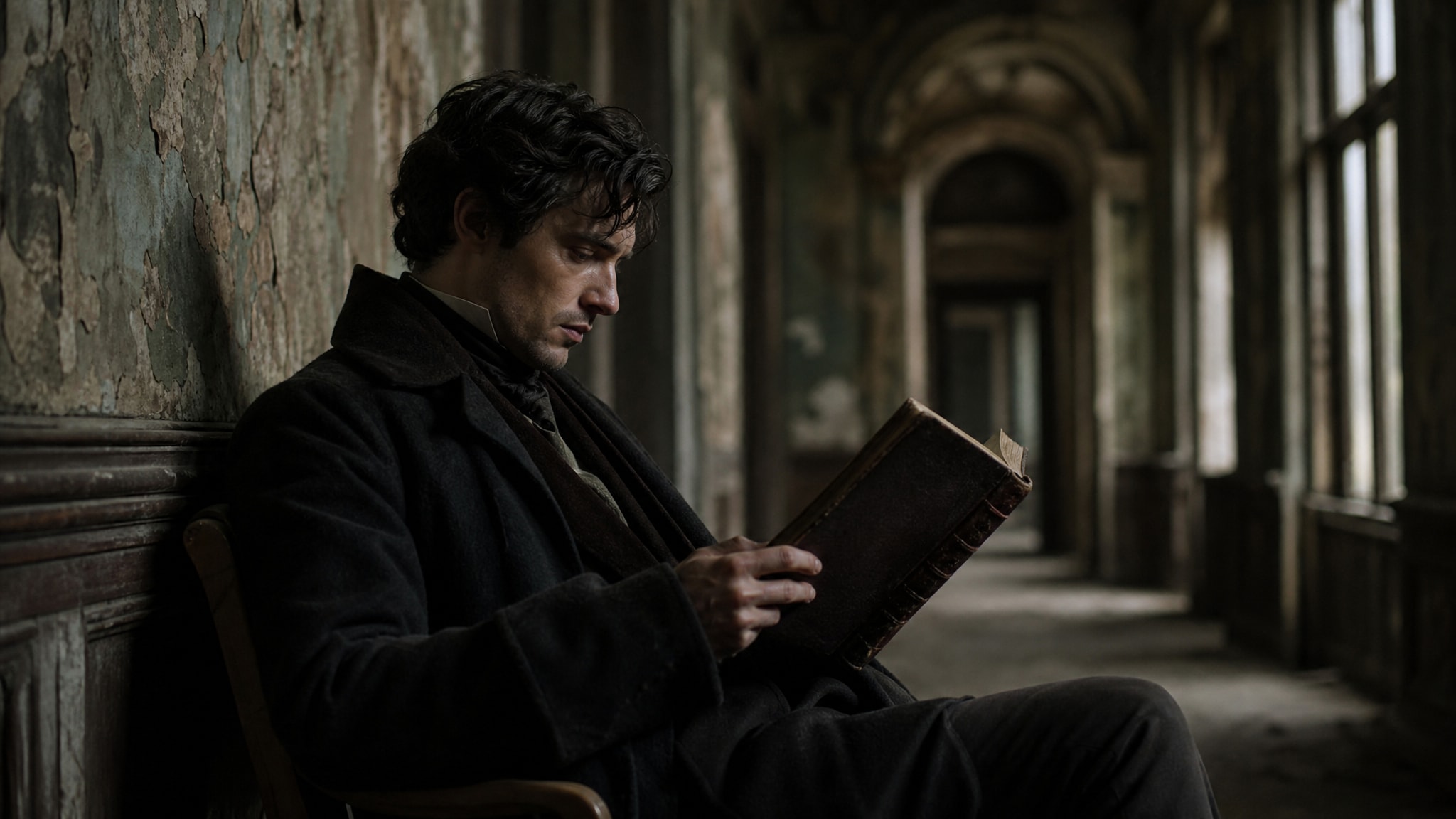
The new year usually arrives with a clamor for fresh beginnings. For those of us who find solace in shadows, though, 2026 feels less like a clean slate and more like a deepening corridor. We are not looking for louder screams or faster monsters this season. We are searching for the best gothic horror book series to start 2026, and the ones that understand the weight of silence. Reading tastes have shifted away from shock-driven spectacle toward stories that linger in the marrow long after the last page.
This list rejects the adrenaline spike in favor of emotional resonance and architectural atmosphere. True dread does not announce itself with a crash. It seeps through the floorboards while you are trying to sleep. You deserve stories that treat your intelligence as a given, and your capacity for melancholy as a strength rather than something to be exploited by cheap thrills.
Why 2026 Demands a Return to Atmospheric Dread
Contemporary gothic horror has moved from external monsters to internal landscapes, where the haunting is inseparable from the protagonist’s grief or inherited trauma. That shift matters. It turns the genre into a vessel for processing the anxieties we don’t say out loud, letting readers face loss through the safety of fictional architecture. Reader demand for atmospheric horror has grown, not just in volume but in kind, as audiences look for stories that offer emotional catharsis alongside supernatural tension. Call it a collective fatigue with gore that leaves no residue on the soul.
Something is correcting itself in how dark fiction gets read and valued, at least among those who remember when horror was synonymous with literature. This list favors series potential over standalone scares, because real character development needs the sprawling canvas of multiple volumes to fully articulate a haunting. Generic haunted house fiction leans on jump scares and predictable tropes; the atmospheric kind uses the supernatural as a metaphor for psychological states that can’t be resolved in three hundred pages.
Atmosphere here is not a setting. It’s an active participant in how the narrative unravels.
Every recommendation below demands patience before it offers revelation. You have to inhabit the space, not just observe it from a safe distance. That’s what separates books that function as amusement park rides from books that alter how you see empty rooms and settling dust in your own home.
The Circle of Witham Grange: A New Benchmark for Character-Driven Ghost Tales
Finding a voice that feels both timeless and urgently new is rare. That’s why The Circle of Witham Grange is essential reading for fans of character-driven ghost tales this year. My own writing process for Witham Grange begins with sensory architecture, the weight of dust, the sound of settling timber, long before any plot emerges. Every supernatural element has to grow out of the physical reality of the estate first. The series is modern gothic at its clearest: the estate isn’t a puzzle box, it’s an extension of the characters’ fractured psyches, which makes the haunting personal rather than procedurally generated.
Blurring the Boundary Between Living and Dead
The fragile line between memory and manifestation is the central tension running through these volumes. The books never quite clarify whether the spirits are external entities or projections of unresolved sorrow. That ambiguity isn’t a trick meant to confuse you. It’s an invitation to sit with uncertainty the way grief actually asks you to. You watch characters who cannot distinguish their own history from the ghosts sharing their air, and the effect is uncomfortably intimate.
Architecture as an Antagonist
Witham Grange itself works as a psychological mirror, not backdrop, which is what separates it from trope-heavy haunted house fiction that treats setting as interchangeable scenery. The corridors shift not because of magic but because the characters’ perceptions fracture under what they’ve lost. The house narrates their internal collapse as reliably as any character could. Readers looking for fresh voices in 2026 will find this liberating: it trusts you to already know that the most terrifying structures are built from regret, not brick.
If this vision of literary horror speaks to the particular hunger you carry into the new year, you can acquire your copy of The Circle of Witham Grange and step across the threshold yourself.
Established Franchises That Still Haunt in 2026
Nostalgia alone can’t carry a gothic series through multiple installments without sliding into self-parody or repetition. The franchises that endure do so because their darkness matures alongside the readership, because the fears of adulthood are not the terrors of youth.
Legacy Series with Enduring Melancholy
Certain ongoing series keep earning their place through deepening lore and character evolution, not through leaning on past glories or familiar catchphrases. These books prove gothic elements can age gracefully when the author refuses to stagnate, treating each new volume as a chance to dig deeper into established mythology. You likely have favorites that have followed you through previous years, and watching them handle aging and legacy well validates the time you’ve already put into their worlds.
When Familiar Worlds Deepen Rather Than Repeat
The strongest continuing narratives skip escalating stakes in favor of intensifying intimacy. Expansion doesn’t have to mean dilution. Gothic horror at its best resists becoming pure fantasy or action; it stays fixed on the domestic and the psychological even as its scope widens. If a series you love has started to feel hollow, it may be time to set it down and seek more character-driven ghost story recommendations that honor the tone that hooked you in the first place.
Not every beloved franchise deserves your continued devotion, not once it has abandoned the quiet dread that first caught your imagination.
New Horror Book Series 2026: Voices Reshaping the Genre
Emerging authors are redefining what dark fantasy and horror can do when prose quality comes before marketable hooks. These debut series put thematic depth and stylistic precision first, aimed at readers tired of formulaic narratives that mistake complexity for obscurity.
Debut Series with Literary Weight
New horror book series released in 2026 offer literary depth on par with established classics because they treat language as the primary vehicle for terror, not an afterthought. These writers understand that the rhythm of a sentence can unsettle more effectively than any described atrocity. Dread comes through syntax and cadence. You’ll find authors here writing with the confidence of veterans, letting scenes breathe and silences stretch until the tension is almost unbearable.
Dark Fantasy Crossovers Worth the Risk
The line between gothic horror and dark fantasy keeps blurring, productively, when supernatural elements work as metaphors for historical trauma rather than magic systems to master. The best dark fantasy series of 2026 succeed by keeping the melancholy core of gothic tradition while widening the worldbuilding to hold broader social commentary. This crossover suits readers who want the immersive scope of fantasy without giving up the introspective intensity that defines literary horror.
For those curious about the mechanics behind this resurgence, crafting atmospheric gothic fiction shows how deliberately these effects get built.
Atmospheric Horror Series for Readers Who Crave Slow-Burn Tension
Some readers need immediate gratification. If you’ve read this far, you’re probably not one of them. Atmospheric horror series are made for people who value pacing and sensory immersion over plot velocity, on the understanding that anticipation is always more potent than revelation.
Dread accumulates through domestic detail and psychological unraveling rather than external threats, which is exactly what links contemporary work to the masters who understood that the uncanny lives in the ordinary. I’d point you toward slow-burn horror novels that build dread the old-fashioned way if you want to study how patience rewards the attentive reader. Finding gothic series that take this approach means looking past cover art and blurbs to how the opening chapters handle mundane moments, since true slow-burn writers load everyday rituals with ominous weight. There are also books that echo Shirley Jackson’s legacy for readers who want to trace this particular flavor of unease back to its mid-century roots.
This style of storytelling refuses to hold your hand through the dark.
How to Choose Your Next Gothic Obsession
Picking a series is an act of emotional budgeting. It asks you to be honest about what kind of haunting you can currently sustain. Whether you commit to a multi-book series or a standalone gothic novel comes down to your available bandwidth, your tolerance for unresolved tension, and whether you want character continuity or thematic closure.
Matching Tone to Your Current Headspace
Your current emotional state should decide whether you reach for spectral horror that externalizes pain or psychological narratives that internalize it. Some seasons call for ghosts you can confront and maybe banish. Others need stories where the haunting is the protagonist’s own mind, and therefore inescapable. You know better than any bestseller list what darkness you can safely live in right now, so trust that over the marketing copy.
Series Commitment vs. Standalone Satisfaction
A multi-volume commitment asks you to trust that an author can hold quality across hundreds of pages without padding or repeating themselves. A standalone gives you concentrated intensity with no long-term obligation. Think about whether you want to live inside a world for months or just visit before returning to your own life; both serve different needs in a reading life. Sampling first chapters for voice compatibility is still the most reliable way to avoid disappointment, since prose style decides whether a book feels like company or chore.
Beyond the List: Cultivating a Personal Gothic Canon
Trends expire. The books that reshape your interior landscape stay relevant no matter their publication date or what critics said about them. Treat your series selection as curating a personal library of melancholy, not chasing whatever is popular on social media or review aggregators this month.
The best gothic horror series are, in the end, the ones that change how you read silence, architecture, and loss in your own daily life. Build your canon slowly, adding only the volumes that earn a place on shelves already crowded with ghosts.
Leave a Reply